Top 10 video creators in October: UNILAD & The LAD Bible hold at #1 & #2
Top 10 video creators in October: UNILAD & The LAD Bible hold at #1 & #2
October was UNILAD's fourth consecutive month in the top spot, according to Tubular Labs video insights.

Not a lot changed in rankings for the top 10 video creators between September and October, according to Tubular Labs. UNILAD and The LAD Bible kept their No. 1 and No. 2 rankings, while Viral Thread and Tasty switched places, with Tasty dropping to No. 4 and Viral Thread moving into the top three spots.
UNILAD has held the top spot since July. The video creator’s view counts dropped slightly since last month, generating 3.1 billion views in October, compared to 3.4 billion views in September.
The LAD Bible’s view count was up for the month, but only by 22 million.
Nifty was the only video creator not to make this month’s list after ranking in September. In its place was Bright Side, ranking No. 8.
Top 10 Video Creators in October 2016
 For brand creators, Red Bull kept its place at No. 1, with 276
million views, and won the No. 4 spot, with Red Bull TV making an
appearance in the top 10.
For brand creators, Red Bull kept its place at No. 1, with 276
million views, and won the No. 4 spot, with Red Bull TV making an
appearance in the top 10.Five brands that ranked in September failed to make October’s top 10 list: Apple, Coke, GoPro, Tiếng Anh Thật Dễ and Barbie. In their place were Red Bull TV, Shell, Walmart, LG USA Mobile and World Economic Forum.
Top 10 Brand Creators in October 2016
 Tracking total video views across YouTube, Facebook, Vine and
Instagram, Tubular says the top 100 video brands and creators earned a
combined 55.3 billion views in October.
Tracking total video views across YouTube, Facebook, Vine and
Instagram, Tubular says the top 100 video brands and creators earned a
combined 55.3 billion views in October.You can see Tubular’s rankings broken down by platform here: Tubular’s Most Watched Video Creators.


 You can read more about the new End Screens on
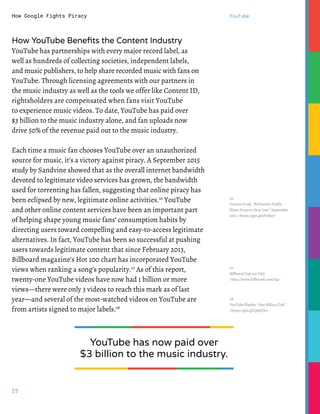
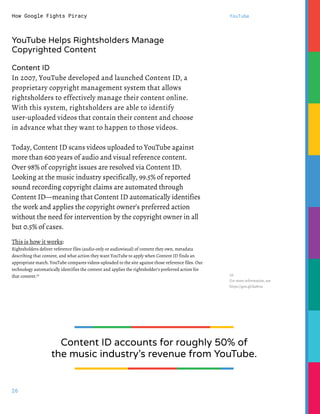
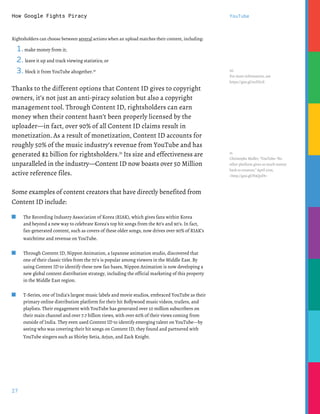
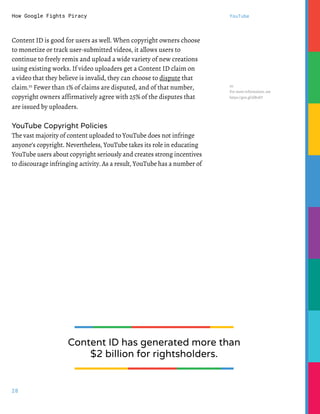
  Google is a long-standing target of critics who claim that the
company “encourages piracy.” While this is not a uniformly held view,
and Google vehemently disputes it, the accusation has been voiced by
many in the
Google is a long-standing target of critics who claim that the
company “encourages piracy.” While this is not a uniformly held view,
and Google vehemently disputes it, the accusation has been voiced by
many in the